Taxi Booking App Development Cost in 2026 (Complete Guide for Startups & Enterprises)
On this page (12)
- What is Taxi App Development?
- Taxi App Development Cost in 2026 (Overview)
- Components of a Taxi Booking App
- Key Factors Affecting Taxi App Development Cost
- Must-Have Features in Taxi Apps (2026)
- AI Trends in Taxi App Development Cost (2026)
- Hidden Costs to Consider
- Custom vs White-Label Taxi App Development
- Cost Breakdown by Modules
- How to Reduce Taxi App Development Cost
- Why Invest in Taxi App Development in 2026?
- Final Thoughts
The global ride-hailing industry is booming in 2026, driven by urbanization, digital transformation, and on-demand mobility needs. Businesses-from startups to fleet operators-are investing in taxi apps to capture this growing market.
But one key question remains: what is the taxi app development cost in 2026?
Understanding the cost to build a taxi booking app in 2026 is essential before launching your platform. In this guide, we break down pricing, features, cost factors, and how businesses can build scalable taxi apps efficiently.
What is Taxi App Development?
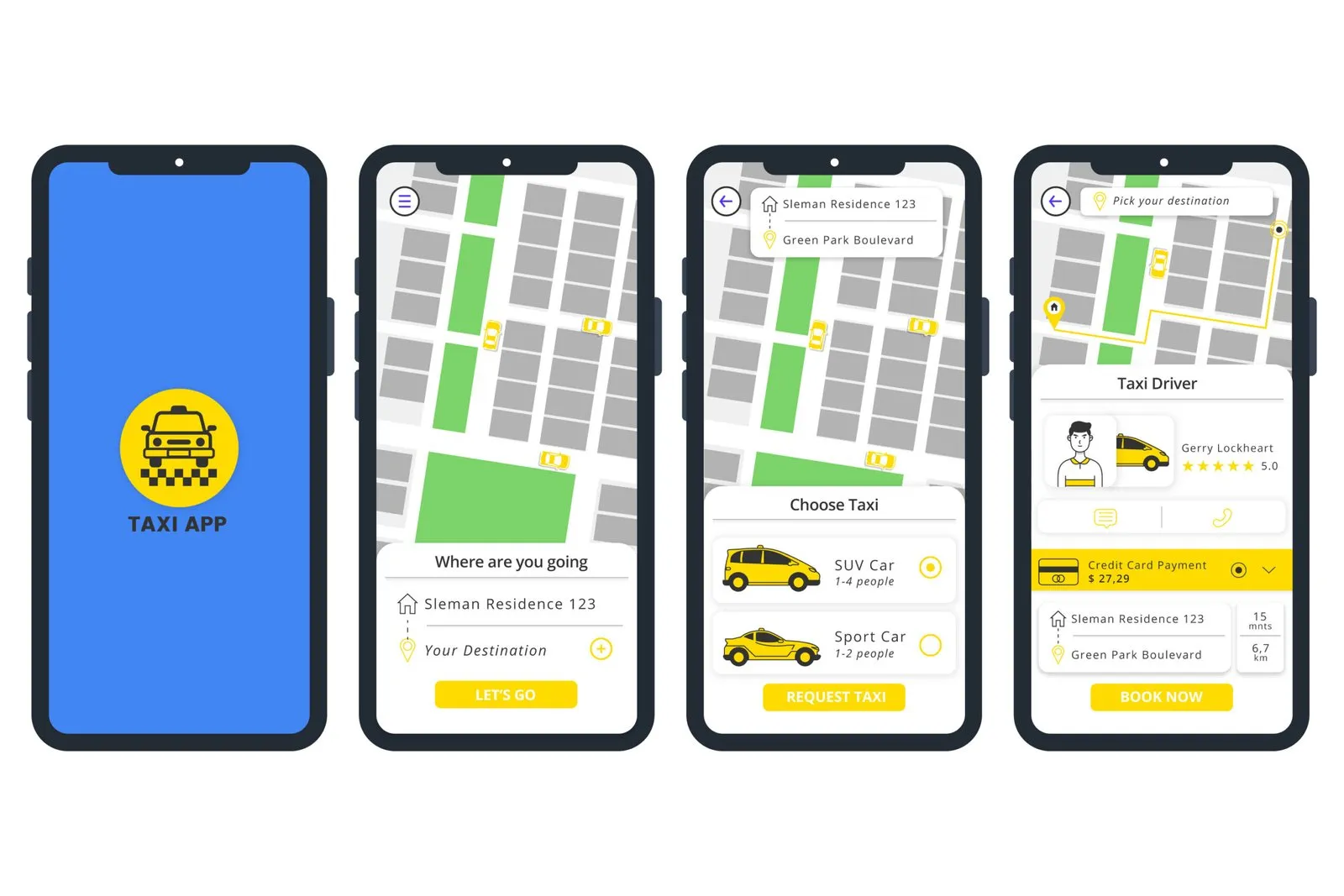
Taxi app development refers to building a digital platform that connects passengers and drivers in real time. A complete system typically includes:
- Passenger mobile app
- Driver mobile app
- Admin dashboard
Companies like AutoTech360 specialize in creating end-to-end taxi app solutions that help fleet operators and taxi businesses streamline operations and improve customer experience.
Taxi App Development Cost in 2026 (Overview)
The taxi app development cost depends on the app’s complexity, features, and scalability.
Average Cost Range:
- Basic MVP App: $10,000 – $40,000
- Mid-Level App: $40,000 – $90,000
- Advanced-like App: $80,000 – $150,000+
Startups can even launch with a limited budget by focusing on MVP features first. According to developer discussions, a basic taxi app can be built around $10K if only essential features are included.
Components of a Taxi Booking App
A fully functional taxi platform includes:
1. Rider App
- Easy registration
- Ride booking
- Real-time tracking
- Payment integration
2. Driver App
- Trip requests
- Navigation
- Earnings tracking
3. Admin Panel
- User management
- Driver verification
- Pricing control
- Analytics
These components create a seamless ecosystem for both users and operators.
Key Factors Affecting Taxi App Development Cost
1. Feature Complexity
The more features you add, the higher the cost.
- Basic features → Lower cost
- AI & automation → Higher cost
Advanced features like:
- Dynamic pricing
- AI-based dispatch
- Predictive analytics
…can significantly increase development costs.
2. Platform Selection
- Android or iOS (single platform) → Lower cost
- Both platforms → Increased cost
Using cross-platform frameworks (Flutter, React Native) helps reduce development expenses.
3. Development Location
Development costs vary globally:
- USA/UK: $80–$150/hour
- Europe: $40–$70/hour
- India: $20–$50/hour
Companies like AutoTech360 offer cost-effective development solutions while maintaining high quality.
4. UI/UX Design
- Basic design → Affordable
- Custom UI/UX → Higher cost but better user retention
A good design directly impacts customer engagement.
5. Backend Infrastructure
Taxi apps require:
- Real-time GPS tracking
- High scalability
- Cloud hosting
Backend development can contribute 15–25% of total cost.
6. Third-Party Integrations
Additional costs include:
- Google Maps API
- Payment gateways
- SMS/OTP services
Must-Have Features in Taxi Apps (2026)
Modern taxi apps must include:
Rider Features
- Ride booking & scheduling
- Live tracking
- Fare estimation
- Secure payments
Driver Features
- Trip notifications
- Navigation
- Earnings dashboard
Admin Features
- Analytics dashboard
- Driver management
- Pricing control
These features are essential for delivering a seamless user experience.
AI Trends in Taxi App Development Cost (2026)
AI is transforming taxi apps with:
- Smart route optimization
- Demand prediction
- Dynamic pricing
- Fraud detection
Modern solutions integrate AI to improve efficiency and reduce operational costs.
Hidden Costs to Consider
Many businesses overlook these additional costs:
- App maintenance (15–20% annually)
- Cloud hosting
- Marketing & user acquisition
- App store fees
Planning for these ensures long-term success.
Custom vs White-Label Taxi App Development
| Type | Cost | Best For |
|---|---|---|
| White-label solution | $3,000 – $20,000 | Quick launch |
| Custom development | $40,000 – $150,000+ | Scalable business |
Custom apps provide flexibility and long-term growth potential.
Cost Breakdown by Modules
| Component | Estimated Cost |
|---|---|
| Rider App | $10,000 – $25,000 |
| Driver App | $8,000 – $20,000 |
| Admin Panel | $5,000 – $15,000 |
| Backend Development | $10,000 – $30,000 |
| UI/UX Design | $3,000 – $15,000 |
How to Reduce Taxi App Development Cost
Smart strategies include:
- Start with MVP
- Use cross-platform frameworks
- Choose offshore development
- Use pre-built modules
- Scale features gradually
This approach helps businesses launch faster and optimize budget.
Why Invest in Taxi App Development in 2026?
The taxi app market continues to grow due to:
- Increased demand for on-demand mobility
- Smart city initiatives
- Digital payment adoption
- Fleet management optimization
Businesses using platforms like AutoTech360 can streamline operations and scale efficiently.
Final Thoughts
The taxi app development cost in 2026 varies depending on your goals, features, and scalability needs. While a basic app may cost around $10,000, a full-featured Uber-like platform can exceed $150,000.
Key Takeaway:
Start with a lean MVP, validate your idea, and scale strategically with a reliable development partner.
If you’re planning to build a taxi app, partnering with an experienced company like AutoTech360 ensures you get a scalable, cost-effective, and future-ready solution.